
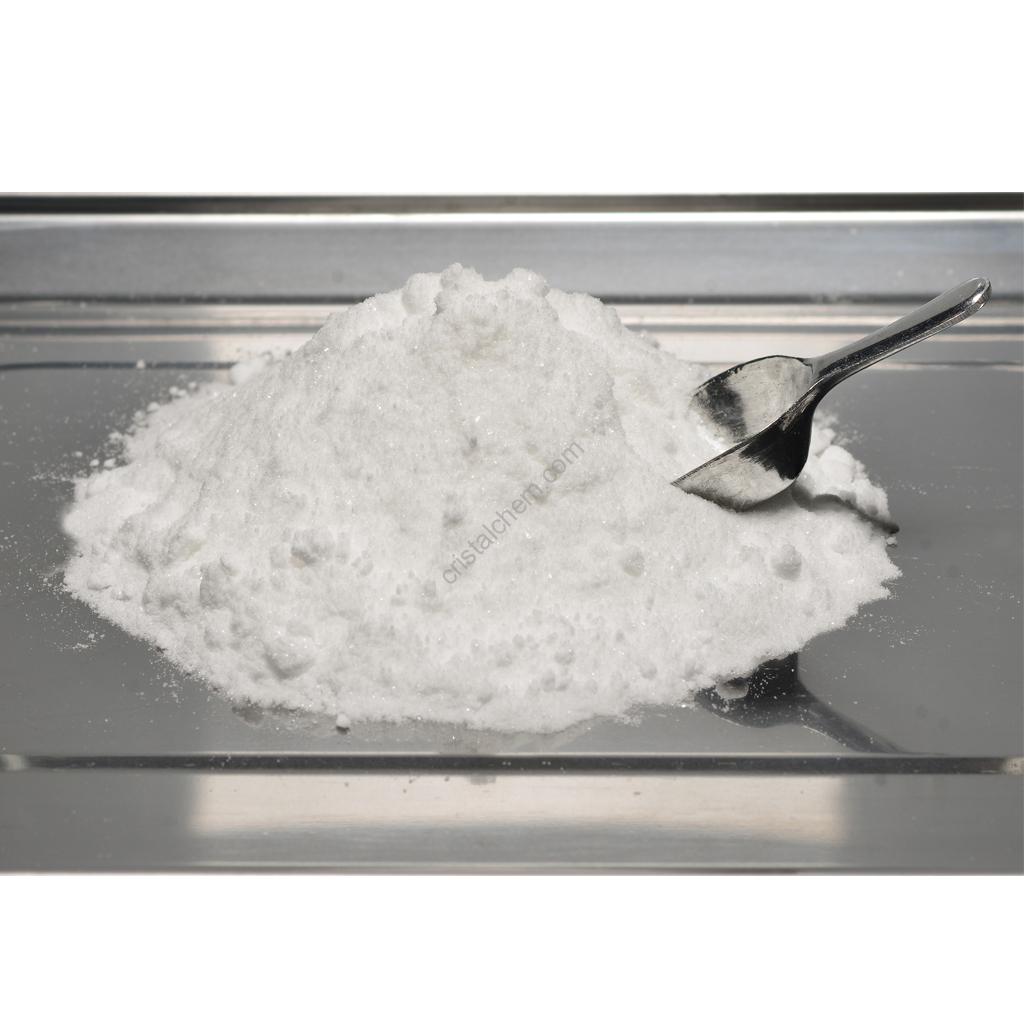
If you’ve ever been to the dentist or had a minor medical procedure, chances are you’ve experienced lidocaine powder. It’s one of the most widely used local anesthetics in the world. In this article, you’ll learn what lidocaine is, how it works, its common uses, potential side effects, and key safety tips.
What Is Lidocaine Powder?
Lidocaine is a local anesthetic—a medication that temporarily numbs a specific area of the body. Unlike general anesthesia, it doesn’t make you lose consciousness. Instead, it blocks pain signals in a targeted region.
Doctors, dentists, and healthcare professionals use lidocaine for minor surgical procedures, dental work, and even to relieve certain types of chronic pain.
How Does Lidocaine powder Work?
Lidocaine works by blocking nerve signals in the body. It does this by stopping sodium from entering nerve cells. Since sodium is needed to send pain signals to the brain, lidocaine interrupts this process—making the area feel numb.
Think of it as “turning off” pain messages at the source before they reach your brain.
Common Uses of Lidocaine powder
Lidocaine is highly versatile and comes in different forms, such as injections, gels, creams, sprays, and patches. Here are its most common uses:
- Dental procedures – Numbing gums or teeth before fillings or extractions.
- Minor surgeries – Used to numb skin before small cuts, stitches, or biopsies.
- Chronic pain relief – Lidocaine patches help with nerve pain like postherpetic neuralgia.
- Medical emergencies – Sometimes used to treat irregular heartbeats (arrhythmias).
- Topical relief – Found in creams for sunburn, insect bites, and hemorrhoids.
Benefits of Lidocaine
Lidocaine has several advantages that make it one of the most popular local anesthetics worldwide:
- Fast-acting – It starts working within minutes.
- Short recovery time – Numbness usually wears off within a few hours.
- Versatile forms – Injectable, topical, or even oral solutions.
- Safe when used properly – Decades of medical experience support its use.
Possible Side Effects of Lidocaine
When used under professional supervision, lidocaine is generally safe. However, side effects can occur, especially if too much is used. Common side effects include:
- Redness or swelling at the application site
- Temporary tingling or burning sensation
- Numbness lasting longer than expected
Rare but serious side effects include:
- Irregular heartbeat
- Dizziness or fainting
- Allergic reactions
If any severe reaction occurs, immediate medical attention is necessary.
Safety Tips When Using Lidocaine
- Always follow dosage instructions provided by your doctor or pharmacist.
- Do not apply more than recommended—especially on large areas of skin.
- Avoid using on broken skin unless prescribed.
- Keep lidocaine products out of reach of children.
Lidocaine vs Other Local Anesthetics
Lidocaine is often compared to other local anesthetics like benzocaine or procaine. What makes lidocaine stand out is its faster onset and longer duration of numbing effect, making it a top choice for both medical and dental professionals.


Key Takeaways
- Lidocaine is a local anesthetic used to numb specific areas of the body.
- It works by blocking nerve signals so pain messages don’t reach your brain.
- It’s used in dentistry, minor surgeries, chronic pain management, and more.
- While generally safe, it can cause side effects if misused or overdosed.
Final Word
Whether you’re getting a cavity filled, a mole removed, or nerve pain treated, lidocaine is one of the safest and most effective options available today. By understanding how it works and following your healthcare provider’s instructions, you can benefit from its powerful numbing effects with minimal risk.


