What Is Articaine Hydrochloride?
Articaine Hydrochloride is a local anesthetic widely used in dentistry and minor surgical procedures to block pain in targeted areas. It belongs to the amide group of anesthetics, similar to lidocaine and prilocaine, but is known for its fast onset and strong numbing effect.
Chemically, it’s unique because it contains both an amide bond and an ester group, which makes it easier for the body to metabolize — offering powerful anesthesia with reduced toxicity.
⚙️ How Articaine Hydrochloride Works
Articaine Hydrochloride works by blocking sodium channels in nerve membranes. This action prevents the transmission of nerve signals that carry pain sensations to the brain.
It acts quickly — often within 1–3 minutes — and provides deep, long-lasting anesthesia that’s ideal for dental work such as:
Tooth extractions
Cavity fillings
Root canal treatments
Because of its high tissue penetration and rapid metabolism, Articaine is now the preferred choice for many dental professionals worldwide.
💊 Key Benefits of Articaine Hydrochloride
1. Fast Onset of Action
Articaine numbs targeted areas in just a few minutes, allowing dentists to begin procedures faster.
2. Strong Penetration Ability
It diffuses effectively through soft tissue and bone, making it suitable for complex dental surgeries.
3. Reduced Toxicity Risk
Due to its partial ester structure, Articaine is broken down more efficiently in the body, lowering the risk of systemic side effects.
4. Short Recovery Time
Patients typically regain sensation within a few hours, minimizing post-procedure downtime.
⚠️ Safety Information and Precautions
When administered correctly by a licensed professional, Articaine Hydrochloride is safe and effective. However, overuse or improper injection can lead to complications.
Possible side effects include:
Temporary numbness or tingling
Mild swelling at the injection site
Dizziness or headache
In rare cases, allergic reactions
Avoid use in:
Individuals with known amide-type anesthetic allergies
Children under 4 years of age
Patients with severe liver dysfunction (without medical guidance)
🧬 Chemical Profile
| Property | Details |
|---|---|
| Name | Articaine Hydrochloride |
| CAS Number | 23964-57-0 |
| Molecular Formula | C₁₃H₂₁ClN₂O₃S |
| Molecular Weight | 320.84 g/mol |
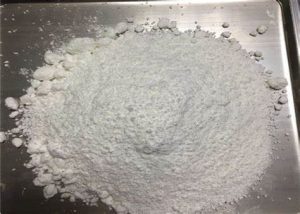
| Form | White crystalline powder |
| Solubility | Freely soluble in water and ethanol |
| Storage | Cool, dry, and dark environment |
🏭 Storage and Handling
To maintain quality, Articaine Hydrochloride powder should be stored in:
A cool, dry place (below 25°C)
Tightly sealed containers
Away from direct sunlight and moisture
Always follow Good Manufacturing Practice (GMP) when handling pharmaceutical-grade anesthetic powders.
✅ Conclusion
Articaine Hydrochloride (CAS 23964-57-0) is one of the most effective and reliable local anesthetics available today. Its quick onset, superior tissue penetration, and reduced systemic toxicity make it the go-to choice for dental anesthesia.
When used under proper medical supervision, Articaine offers safe, precise, and efficient pain management — improving patient comfort and procedural outcomes.