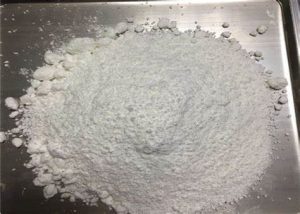
What Is Clonazepam Powder?
Clonazepam is a benzodiazepine-class psychoactive compound with potent anticonvulsant, anxiolytic, sedative, and muscle-relaxant properties. It is best known as a prescription medication used primarily in seizure disorders and panic disorder.
Clonazepam powder refers to the raw chemical form of the drug, which is intended for pharmaceutical manufacturing, analytical testing, and licensed research, not for direct consumer or personal use.
Chemical and Structural Overview
Clonazepam is a nitro-substituted 1,4-benzodiazepine, structurally distinct from many older benzodiazepines.
Key characteristics include:
- Small-molecule benzodiazepine
- High potency at low doses
- Presence of a nitro group, influencing receptor binding
- Relatively long elimination half-life
Its chemical structure contributes to strong anticonvulsant effects and sustained central nervous system activity.
How Clonazepam Works
Clonazepam acts as a positive allosteric modulator of the GABA<sub>A</sub> receptor.
This mechanism:
- Enhances the inhibitory effects of gamma-aminobutyric acid (GABA)
- Reduces neuronal excitability
- Suppresses abnormal electrical activity in the brain
These effects explain clonazepam’s effectiveness in seizure control and anxiety reduction.
Therapeutic Applications (In Approved Formulations)
In regulated medical use, clonazepam is prescribed for:
- Epilepsy and seizure disorders (e.g., absence, myoclonic seizures)
- Panic disorder
- Certain movement disorders
- Short-term management of severe anxiety in select cases
It is valued for its strong anticonvulsant activity and reliable central effects.
Pharmacological Significance
Clonazepam is notable among benzodiazepines because:
- It has greater anticonvulsant potency than many related drugs
- It produces relatively less euphoric effect
- It is not primarily dependent on active metabolites
These properties make it especially important in neurology rather than general anxiolytic use.
Safety and Health Considerations
Common Adverse Effects
- Sedation and drowsiness
- Impaired coordination
- Cognitive slowing
- Dizziness
Serious Risks
- Physical dependence with prolonged use
- Withdrawal symptoms if abruptly discontinued
- Respiratory depression when combined with other CNS depressants
- Increased fall risk, especially in older adults
As with all benzodiazepines, long-term use requires careful medical supervision.
Why Clonazepam Powder Is Restricted
The raw powder form of clonazepam is not appropriate for personal or unsupervised use.
Restrictions exist due to:
- Extremely low therapeutic dosing requirements
- Risk of misuse and diversion
- Dependence and withdrawal concerns
- Need for pharmaceutical-grade formulation and quality control
Bulk clonazepam powder is therefore limited to licensed manufacturers, research institutions, and forensic laboratories.
Legal and Regulatory Context
Clonazepam is:
- Classified as a controlled substance in most countries
- Available only by prescription in approved formulations
- Subject to strict manufacturing, storage, and distribution controls
Regulatory frameworks aim to preserve medical access while minimizing misuse and public-health harm.
Public-Health Perspective
From a public-health standpoint, clonazepam illustrates:
- The clinical value of benzodiazepines in seizure management
- The risks of long-term benzodiazepine exposure
- The importance of controlled prescribing and patient monitoring
Research involving clonazepam has helped refine epilepsy treatment and improve understanding of GABAergic drugs.
Frequently Asked Questions (FAQ)
Is clonazepam mainly for anxiety or seizures?
Primarily seizures, though it is also approved for panic disorder.
Is clonazepam addictive?
It carries a risk of physical dependence with prolonged or improper use.
Is clonazepam the same as alprazolam?
No. Both are benzodiazepines, but clonazepam is longer-acting and more anticonvulsant-focused.
Is clonazepam powder safe for personal use?
No. It requires precise dosing and strict medical oversight.
Conclusion
Clonazepam powder is a highly potent benzodiazepine with significant clinical importance, particularly in the management of seizure disorders. While its therapeutic benefits are well established in regulated formulations, its raw powder form is restricted to licensed pharmaceutical and research settings due to safety, dependence, and regulatory concerns.
Its continued study supports advances in neurology, psychopharmacology, and public-health policy.