What Is NPP?
N-Phenethyl-4-piperidinone (NPP) is a synthetic organic chemical classified as a piperidinone derivative. It is not a pharmaceutical drug, but rather an intermediate chemical used in organic synthesis and research.
NPP has attracted regulatory attention because it is a precursor in the synthesis of certain controlled substances, making its handling subject to strict chemical control in many jurisdictions.
Chemical and Structural Overview
- Chemical formula: C₁₃H₁₇NO
- Molecular weight: 203.28 g/mol
- Structure: Piperidinone ring with a phenethyl substitution at the nitrogen
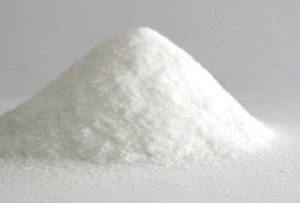
- Physical appearance: White to off-white crystalline powder
- Properties: Soluble in organic solvents; reactive in certain chemical transformations
NPP’s structure makes it useful as a building block in medicinal chemistry and organic synthesis.
How NPP Is Used
NPP is primarily used as a synthetic intermediate:
- Organic synthesis:
- Used in laboratory synthesis of piperidine derivatives
- Can be a precursor for research chemicals
- Pharmaceutical research:
- May be used under licensed conditions to synthesize experimental compounds for controlled studies
Important: NPP is not a therapeutic drug and has no approved medical applications.
Safety and Health Considerations
Handling Risks
- Toxicity data in humans is limited
- Can cause skin, eye, and respiratory irritation
- Inhalation or ingestion may be hazardous
- Requires use of gloves, goggles, and fume hoods during handling
Environmental Precautions
- Should not be released into waterways or the environment
- Dispose of under regulated chemical waste protocols
Why NPP Is Regulated
NPP is considered a controlled precursor chemical in many countries because:
- It can be diverted to illicit drug synthesis
- Handling requires special licenses and documentation
- Bulk quantities are monitored by regulatory authorities
Its legal status is tied to precursor chemical control laws rather than direct toxicity.
Legal and Regulatory Context
- NPP is regulated under chemical precursor laws in the United States, Europe, and other jurisdictions
- Manufacture, distribution, or possession typically requires government authorization
- Unlicensed handling or sale is illegal due to potential diversion to controlled substance production
Public-Health Perspective
NPP highlights:
- The dual-use nature of chemical intermediates
- How precursor chemicals can be useful in legitimate research but risky if diverted
- The importance of strict regulatory oversight and compliance
Frequently Asked Questions (FAQ)
Is NPP a drug?
No. It is a chemical intermediate with no approved therapeutic use.
Why is NPP regulated?
Because it is a precursor in the synthesis of controlled substances.
Can NPP be handled safely?
Yes, under proper laboratory safety protocols and with legal authorization.
What are the main risks of exposure?
Skin, eye, and respiratory irritation; unknown systemic toxicity; potential legal consequences if unlicensed.
Conclusion
N-Phenethyl-4-piperidinone (NPP, CAS 39742-60-4) is a synthetic chemical intermediate used in research and organic synthesis. While chemically valuable, it has no medical use and is strictly regulated due to its potential diversion to controlled substances. Handling requires legal authorization, laboratory safety measures, and careful documentation.