What Is Epinephrine Hcl Powder?
Epinephrine Hcl Powder is the hydrochloride salt of epinephrine, a naturally occurring hormone and neurotransmitter also known as adrenaline. Epinephrine plays a critical role in the body’s fight-or-flight response, regulating heart rate, blood pressure, and airway function.
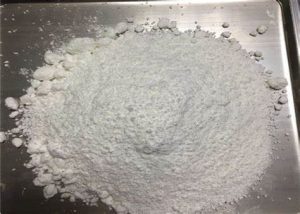
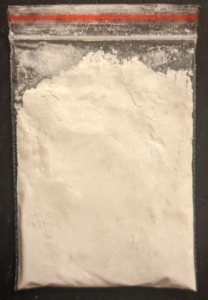
In its pure form, epinephrine hydrochloride appears as a white to off-white crystalline powder. In medical and pharmaceutical settings, it is used as an active ingredient in injectable and emergency formulations.
Medical Importance of Epinephrine Hcl Powder
Epinephrine is considered a life-saving medication and is included on the World Health Organization’s List of Essential Medicines. It is widely used in emergency medicine because of its rapid and powerful physiological effects.
Epinephrine hydrochloride is valued for its stability and solubility, which make it suitable for pharmaceutical formulation and research applications.
How Epinephrine Hcl Powder Works
Epinephrine acts on alpha- and beta-adrenergic receptors throughout the body. By stimulating these receptors, it produces several critical effects:
- Increases heart rate and cardiac output
- Constrains blood vessels, raising blood pressure
- Relaxes airway muscles, improving breathing
- Reduces swelling and allergic reactions
Because of this multi-receptor action, epinephrine is effective in urgent, life-threatening situations.
Common Medical Uses
Under professional medical supervision, epinephrine hydrochloride is used for:
- Anaphylaxis (severe allergic reactions)
- Cardiac arrest and resuscitation
- Severe asthma attacks
- Shock and severe hypotension
- Adjunct to local anesthetics (to reduce bleeding and prolong effect)
Its fast onset makes it indispensable in emergency care.
Chemical and Physical Properties
| Property | Description |
|---|---|
| Chemical Name | Epinephrine Hydrochloride |
| Synonym | Adrenaline Hydrochloride |
| CAS Number | 55-31-2 |
| Molecular Formula | C₉H₁₄ClNO₃ |
| Molecular Weight | ~219.66 g/mol |
| Appearance | White crystalline powder |
| Solubility | Freely soluble in water |
| Chemical Class | Catecholamine |
Safety and Handling Considerations
Although epinephrine is essential in medicine, it must be handled carefully:
- Incorrect dosing can cause dangerous increases in heart rate or blood pressure
- Exposure may cause palpitations, anxiety, or tremors
- Degrades when exposed to light, heat, or air
In laboratory environments, epinephrine hydrochloride should be stored in airtight, light-resistant containers and handled according to established safety protocols.
Regulatory and Legal Status
Epinephrine hydrochloride is a prescription-only medication in most countries. Its distribution and use are regulated by health authorities to ensure safe medical administration. Laboratory use must comply with pharmaceutical and chemical safety regulations.
Public Health Perspective
Epinephrine has saved countless lives, particularly in cases of anaphylaxis and cardiac emergencies. Public education focuses on:
- Early recognition of allergic reactions
- Proper emergency response
- Timely medical intervention
Despite its benefits, epinephrine should never be used without proper medical training or supervision.
Frequently Asked Questions (FAQ)
Is epinephrine hydrochloride the same as adrenaline?
Yes. Adrenaline is the common name for epinephrine.
Is epinephrine used only in emergencies?
Primarily, yes. It is most commonly used in acute, life-threatening situations.
Can epinephrine hydrochloride be used without medical supervision?
No. Improper use can lead to serious cardiovascular complications.
Why is epinephrine often combined with local anesthetics?
It reduces bleeding and prolongs the anesthetic’s effect by constricting blood vessels.
Conclusion
Epinephrine Hydrochloride Powder is a medically vital compound with unmatched importance in emergency care. Its ability to rapidly support heart function, breathing, and blood pressure makes it indispensable in modern medicine.
However, its potency demands careful handling, precise dosing, and strict medical oversight. Understanding its properties and risks ensures it is used safely and effectively in both medical and scientific settings.