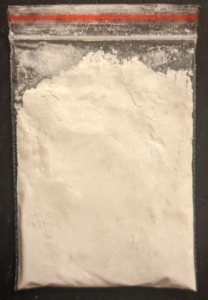
What Is Cyclorphine powder ?
Cyclorphine powder is a synthetic cyclic peptide that has been studied in pharmacological research for its interaction with opioid receptors. Unlike classical opioids such as morphine or fentanyl, cyclorphine is not used clinically and has no approved medical application.
Researchers developed cyclorphine primarily to better understand how different opioid receptors function and how peptide-based compounds can influence pain signaling in the nervous system.
Chemical and Structural Overview
Cyclorphine belongs to a class of cyclic opioid peptides. Its cyclic structure gives it different properties from traditional opioid drugs, which are usually small, non-peptide molecules.
Key characteristics include:
- Peptide-based structure
- Cyclic configuration, which can improve receptor selectivity
- Designed for laboratory research, not therapeutic use
Because of these features, cyclorphine is mainly used as a tool compound in scientific studies.
How Cyclorphine powder Works
Cyclorphine interacts with opioid receptors in the brain and spinal cord, particularly:
- Mu (μ) opioid receptors
- Delta (δ) opioid receptors
Depending on the experimental model, cyclorphine has shown mixed agonist and antagonist behavior, meaning it can partially activate or block opioid receptors. This makes it valuable for studying:
- Pain modulation mechanisms
- Opioid receptor selectivity
- Structure–activity relationships in peptide opioids
Why Cyclorphine powder Is Not a Medication
Although cyclorphine has interesting pharmacological properties, it has never advanced to clinical use. Reasons include:
1. Limited Practical Therapeutic Advantage
Its effects do not clearly outperform existing pain medications.
2. Stability and Delivery Challenges
Peptide compounds often degrade quickly in the body and are difficult to deliver orally.
3. Research-Only Purpose
Cyclorphine was designed to answer scientific questions rather than to become a drug candidate.
Safety and Health Considerations
Cyclorphine has no established safety profile for human use. As with many experimental peptide opioids:
- Effects in humans are not well studied
- Dosage, toxicity, and long-term risks are unknown
- Use outside controlled laboratory research is unsafe
Because of this, cyclorphine should be regarded strictly as a research compound, not a therapeutic substance.
Legal and Regulatory Context
Cyclorphine is not an approved medication and is generally limited to licensed research environments. Regulations may vary by country, but compounds of this type are typically restricted to:
- Academic institutions
- Pharmacology laboratories
- Authorized research facilities
Public-Health Perspective
While cyclorphine itself is not part of the illicit drug market, research into peptide opioids contributes to a broader understanding of:
- Pain management
- Opioid receptor biology
- Safer alternatives to traditional opioids
This research is important in the context of the global opioid crisis, as scientists continue to search for pain treatments with lower risks of addiction and overdose.
Frequently Asked Questions (FAQ)
Is cyclorphine an opioid?
Cyclorphine is an opioid-receptor–active peptide, but it is not a conventional opioid drug.
Is cyclorphine used medically?
No. It has no approved medical or therapeutic use.
Is cyclorphine addictive?
Its addiction potential in humans is unknown, which is one reason it is limited to research settings.
Why do scientists study cyclorphine?
To better understand opioid receptor behavior and explore new directions for pain-modulation research.
Conclusion
Cyclorphine powder is a specialized research peptide that plays a role in advancing scientific knowledge of opioid receptors and pain signaling. While it has helped researchers explore important pharmacological questions, it remains unsuitable for medical or personal use.
Responsible research and clear public education help ensure that compounds like cyclorphine are understood in the proper scientific context.