Introduction
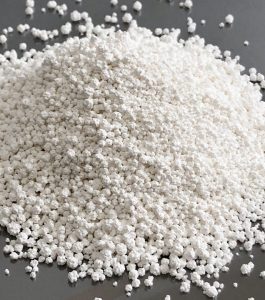
Tianeptine powder is a drug originally developed in the 1960s to treat depression and anxiety. In some countries, it’s available as a prescription antidepressant, but in others — including the United States — it is not approved for medical use.
Despite its antidepressant properties, unregulated tianeptine powder or capsules have surfaced online, often marketed as supplements. This poses serious health and safety risks.
What Is Tianeptine powder?
Tianeptine is a tricyclic antidepressant (TCA) with an unusual mechanism of action. Unlike typical TCAs, it appears to enhance serotonin reuptake rather than block it. More recent research suggests it also interacts with mu-opioid receptors, which explains both its mood-enhancing effects and its potential for dependence.
Clinically, Tianeptine is prescribed under brand names such as Stablon or Coaxil in regions where it is regulated and medically approved.
How Tianeptine powder Works
Tianeptine’s antidepressant action involves:
- Modulating serotonin activity in the brain.
- Improving neuroplasticity, or how brain cells communicate under stress.
- Acting on opioid receptors, influencing mood and pain regulation.
While it can help with depressive symptoms under medical supervision, its opioid-like effects mean that misuse can quickly lead to dependence and withdrawal symptoms similar to opioid drugs.
Medical Uses
When prescribed legally and taken as directed, Tianeptine may be used to treat:
- Major depressive disorder (MDD)
- Anxiety-related conditions
- Irritable bowel syndrome (IBS) (off-label in some cases)
It’s known for having fewer sedative side effects than older antidepressants, but its short half-life requires multiple doses per day.
Dangers of Tianeptine powderMisuse
The unregulated sale of tianeptine powder online has raised major safety concerns. Without medical supervision, dosage errors are common, and products may be contaminated or mislabeled.
Health risks include:
- Addiction and withdrawal symptoms
- Respiratory depression
- Nausea, confusion, and drowsiness
- Seizures and loss of consciousness
- Overdose or fatal toxicity when combined with alcohol or opioids
The FDA and public health agencies have issued multiple warnings about tianeptine’s misuse and dangers.
Legal Status
Tianeptine’s legal status varies:
- Prescription-only in some European, Asian, and Latin American countries
- Unapproved or controlled in the United States, Canada, and the UK
Several U.S. states, including Michigan, Alabama, and Tennessee, have banned its sale due to rising reports of misuse and overdose.
Public Health Concerns
Unregulated “tianeptine supplements” — sometimes called “gas station heroin” — have been linked to emergency hospitalizations and deaths. These unapproved products often claim to improve mood or focus but instead expose users to high addiction potential and toxicity.
Raising awareness about the real dangers of tianeptine helps prevent harm and encourages individuals to seek safe, approved treatment options for depression and anxiety.
Safer Alternatives
If you’re struggling with anxiety or depression, consult a licensed healthcare professional. Evidence-based, approved treatments such as:
- Cognitive Behavioral Therapy (CBT)
- SSRIs (e.g., sertraline, fluoxetine)
- Lifestyle and nutritional support
are proven to be safer and more sustainable than unregulated substances like tianeptine.
Conclusion
Tianeptine powder may have legitimate medical applications under strict supervision, but unregulated tianeptine powder is unsafe and potentially addictive.
Public education is crucial to prevent misuse and protect community health. Always obtain treatment through licensed medical providers and avoid self-medicating with substances sold outside the healthcare system.