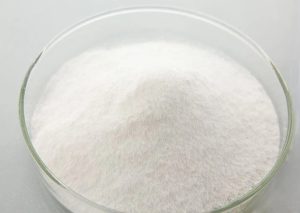
What Is Phenibut FAA Powder?
Phenibut FAA (Free Amino Acid) is a non-salt form of phenibut, a synthetic neuroactive compound originally developed in the Soviet Union. Phenibut is structurally related to gamma-aminobutyric acid (GABA) and has been studied for its anxiolytic, sedative, and nootropic-like effects.
Phenibut FAA powder refers to the unbound amino acid form, typically encountered in research, analytical, or supplement-adjacent chemical contexts, rather than as an approved pharmaceutical medication.
Chemical and Structural Overview
Phenibut is chemically known as β-phenyl-γ-aminobutyric acid.
Key characteristics include:
- GABA analog with a phenyl ring
- Increased ability to cross the blood–brain barrier compared to GABA
- FAA form is not bound to hydrochloride or other salts
- Lower acidity than phenibut HCl
The FAA form differs physically and chemically from phenibut HCl, though the active molecule is the same.
How Phenibut Works
Phenibut primarily acts on the GABA<sub>B</sub> receptor, with additional activity at related neurological targets.
Its effects include:
- Enhancement of inhibitory neurotransmission
- Reduction of neuronal excitability
- Modulation of anxiety and stress responses
In some experimental models, phenibut also influences dopamine signaling indirectly, which may contribute to mood-related effects.
Pharmacological and Research Significance
Phenibut has been studied for:
- Anxiety modulation
- Stress resilience
- Sleep-related effects
- Cognitive and emotional regulation
In Russia and a small number of neighboring countries, phenibut has been used as a prescription medication. Elsewhere, it is not approved as a drug and lacks formal clinical endorsement.
Phenibut FAA vs Phenibut HCl
While pharmacologically similar, the two forms differ chemically.
General distinctions:
- FAA form is less acidic
- Different solubility and physical properties
- Different formulation considerations
- No clear clinical advantage established
These differences are relevant mainly for formulation science rather than therapeutic outcomes.
Safety and Health Considerations
Known Risks and Adverse Effects
Phenibut has been associated with:
- Sedation and dizziness
- Impaired coordination
- Cognitive slowing
- Gastrointestinal discomfort
Dependence and Withdrawal Risk
A major concern with phenibut is:
- Tolerance development
- Physical dependence
- Withdrawal symptoms, including anxiety, insomnia, and agitation
These risks are well documented in case reports and have contributed to increased regulatory scrutiny.
Why Phenibut FAA Powder Is Restricted
Phenibut FAA powder is not intended for personal or unsupervised use.
Restrictions and concerns include:
- Lack of standardized dosing
- Absence of approved safety labeling
- Risk of misuse and dependence
- Need for controlled formulation and research oversight
As a result, bulk phenibut is typically limited to research, analytical, or chemical supply contexts, depending on jurisdiction.
Legal and Regulatory Context
Phenibut’s legal status varies internationally:
- Prescription medication in parts of Eastern Europe and Russia
- Unapproved drug in many Western countries
- Subject to import bans or sales restrictions in some jurisdictions
- Increasingly monitored due to public-health concerns
Regulatory agencies generally classify phenibut as not recognized as a dietary supplement or approved medicine.
Public-Health Perspective
From a public-health standpoint, phenibut highlights:
- The risks of unregulated psychoactive compounds
- Challenges posed by “grey-market” neuroactive substances
- The importance of pharmacovigilance and public education
Reports of dependence and withdrawal have driven calls for clearer regulation and consumer awareness.
Frequently Asked Questions (FAQ)
Is phenibut a benzodiazepine?
No. It acts on GABA receptors but is chemically and pharmacologically distinct.
Is phenibut FDA-approved?
No. It has no FDA-approved medical use.
Is phenibut addictive?
It carries a significant risk of physical dependence with repeated exposure.
Is phenibut FAA powder safe for personal use?
No. It lacks approved dosing, labeling, and safety oversight.
Conclusion
Phenibut FAA powder is a GABA-analog compound with notable neuropharmacological effects and a complex regulatory status. While it has historical medical use in limited regions and ongoing research interest, concerns about dependence, withdrawal, and unregulated distribution have restricted its acceptance in modern medicine.
Today, phenibut FAA remains relevant primarily in research, regulatory, and public-health discussions, illustrating the challenges posed by psychoactive compounds outside established pharmaceutical frameworks.