What Is Quinine Hydrochloride ?
Quinine hydrochloride is the hydrochloride salt of quinine, a naturally occurring alkaloid originally extracted from the bark of the Cinchona tree. Quinine has a long history in medicine, particularly for the treatment of malaria, and quinine hydrochloride is one of the water-soluble forms used in pharmaceutical and laboratory contexts.
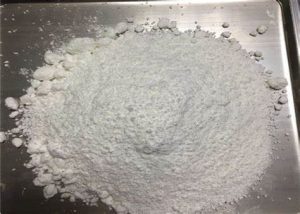
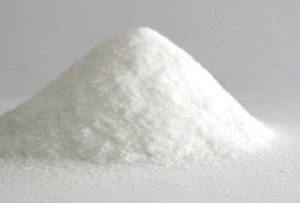
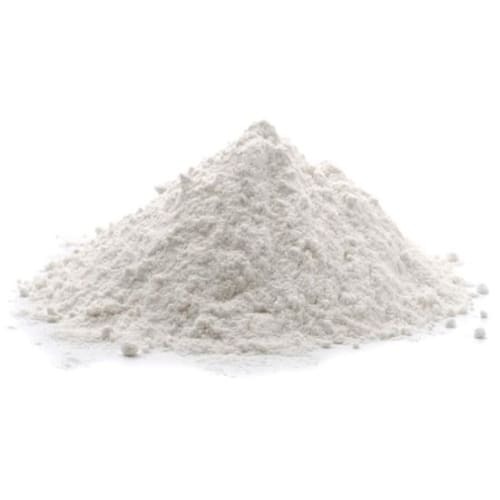
Chemically, it appears as a white to off-white crystalline powder and is valued for its stability and solubility in aqueous solutions.
Historical and Medical Background
Quinine has been used for centuries as an antimalarial agent. Before the development of modern synthetic antimalarial drugs, quinine and its salts—including quinine hydrochloride—were among the primary treatments for malaria worldwide.
Today, quinine is used far less frequently for malaria due to side effects and the availability of safer alternatives. However, it still plays a role in specific medical situations and scientific research.
How Quinine Hydrochloride Works
Quinine interferes with the metabolism of malaria parasites inside red blood cells. Specifically, it disrupts the parasite’s ability to detoxify heme, a byproduct of hemoglobin digestion. This leads to toxic buildup within the parasite, ultimately causing its death.
This mechanism explains quinine’s effectiveness against Plasmodium species, the organisms responsible for malaria.
Current Uses of Quinine Hydrochloride
Today, quinine hydrochloride may be used in:
- Pharmaceutical research and formulation studies
- Reference standards in analytical chemistry
- Specialist medical use for severe or resistant malaria (under strict supervision)
- Biochemical and pharmacological research
It is not recommended for routine or casual medical use due to its risk profile.
Chemical and Physical Properties
| Property | Description |
|---|---|
| Chemical Name | Quinine Hydrochloride |
| CAS Number | 60-93-5 |
| Molecular Formula | C₂₀H₂₅ClN₂O₂ |
| Molecular Weight | ~360.88 g/mol |
| Appearance | White crystalline powder |
| Solubility | Soluble in water and alcohol |
| Chemical Class | Cinchona alkaloid |
Safety and Health Considerations
Quinine hydrochloride can cause adverse effects, especially if misused or taken without medical supervision. Possible side effects include:
- Headache and dizziness
- Nausea and gastrointestinal upset
- Ringing in the ears (tinnitus)
- Visual disturbances
- Heart rhythm abnormalities (in rare cases)
A condition known as cinchonism may occur with excessive exposure and includes symptoms such as ringing ears, nausea, confusion, and vision changes.
Regulatory and Legal Status
In many countries, quinine and its salts are regulated substances. Medical use is typically restricted to prescription-only settings, and non-medical use is discouraged. In laboratory environments, handling must comply with chemical safety and pharmaceutical regulations.
Public Health Perspective
Although quinine hydrochloride has historical importance, modern medicine emphasizes safer and more effective alternatives for malaria treatment. Education about quinine helps prevent misuse and highlights the importance of evidence-based treatment options.
Frequently Asked Questions (FAQ)
Is quinine hcl still used to treat malaria?
Yes, but only in specific cases and under strict medical supervision. Safer alternatives are usually preferred.
Is quinine hcl the same as quinine sulfate?
No. They are different salt forms of quinine with different solubility and formulation characteristics.
Can quinine hcl be used without a prescription?
No. Medical use requires professional oversight due to potential side effects.
What is cinchonism?
Cinchonism is a set of symptoms caused by quinine toxicity, including tinnitus, nausea, and visual disturbances.
Conclusion
Quinine hcl (CAS 60-93-5) is a historically significant compound with ongoing relevance in medical research and specialized treatment. While effective against malaria parasites, its side-effect profile means it must be used cautiously and responsibly.
Understanding its properties, risks, and proper context helps ensure safe use in both medical and scientific settings.