What Is 4-ANPP?
4-Anilino-N-phenethylpiperidine (4-ANPP) is a synthetic organic compound that functions primarily as a chemical intermediate in the synthesis of fentanyl and related opioids. It is not a pharmaceutical drug itself and has no approved medical use.
4-ANPP powder is handled in research, analytical chemistry, and licensed pharmaceutical synthesis, and is not intended for personal or recreational use.
Chemical and Structural Overview
- Chemical formula: C₂₁H₂₆N₂
- Molecular weight: 310.45 g/mol
- CAS number: 16890-31-4
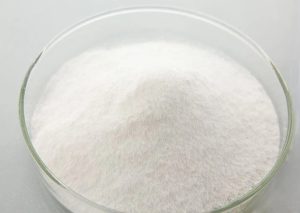
- Appearance: White to off-white crystalline powder
- Structural features:
- Piperidine ring with an anilino substitution at the 4-position
- Phenethyl group on nitrogen
- Functions as a precursor in opioid synthesis due to its piperidine and anilino structure
How 4-ANPP Is Used
4-ANPP is not active as a pharmaceutical but is important in chemistry:
- Pharmaceutical synthesis:
- Key intermediate in the production of fentanyl and its analogs
- Enables the addition of functional groups to create opioid analogs
- Research and analytical chemistry:
- Used in studies of synthetic opioids
- Monitored in forensic and regulatory laboratories
It does not have analgesic or therapeutic properties itself.
Safety and Health Considerations
Handling Risks
- Limited toxicity data in humans
- May cause skin, eye, and respiratory irritation
- Avoid inhalation or ingestion of the powder
- Use gloves, fume hood, and protective clothing
Serious Risks
- Potential contamination or accidental exposure during synthesis of high-potency opioids
- Legal consequences if obtained or handled without authorization
Why 4-ANPP Is Regulated
4-ANPP is a controlled precursor chemical in many jurisdictions because:
- It is a direct precursor for fentanyl, a potent opioid
- Handling, possession, or distribution is tightly monitored
- Misuse could facilitate illegal opioid production
Its regulation is based on precursor control laws, not pharmacological effects.
Legal and Regulatory Context
- Listed as a controlled chemical precursor in the US, EU, and many other countries
- Handling requires licenses, permits, and strict record-keeping
- Possession or distribution without authorization is illegal
- Regulatory focus is on preventing diversion to illicit opioid synthesis
Public-Health Perspective
4-ANPP illustrates:
- The dual-use nature of chemical intermediates in legitimate research and illicit drug synthesis
- The importance of regulatory oversight for high-risk chemical precursors
- How monitoring and control help combat the opioid crisis
Frequently Asked Questions (FAQ)
Is 4-ANPP an opioid?
No. It is a chemical precursor, not an active pharmaceutical or opioid.
Can 4-ANPP be used safely at home?
No. Handling requires legal authorization, protective equipment, and controlled laboratory conditions.
Why is 4-ANPP regulated?
Because it is a key intermediate in the synthesis of fentanyl, a highly potent opioid.
Does 4-ANPP have therapeutic effects?
No. It is chemically inactive in terms of analgesic or CNS effects.
Conclusion
4-Anilino-N-phenethylpiperidine (4-ANPP) is a synthetic chemical precursor with no medical use but critical importance in fentanyl synthesis and research. Its raw powder form is strictly controlled due to its potential for diversion to illegal opioid production.