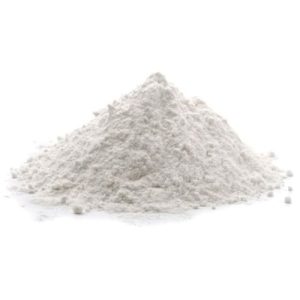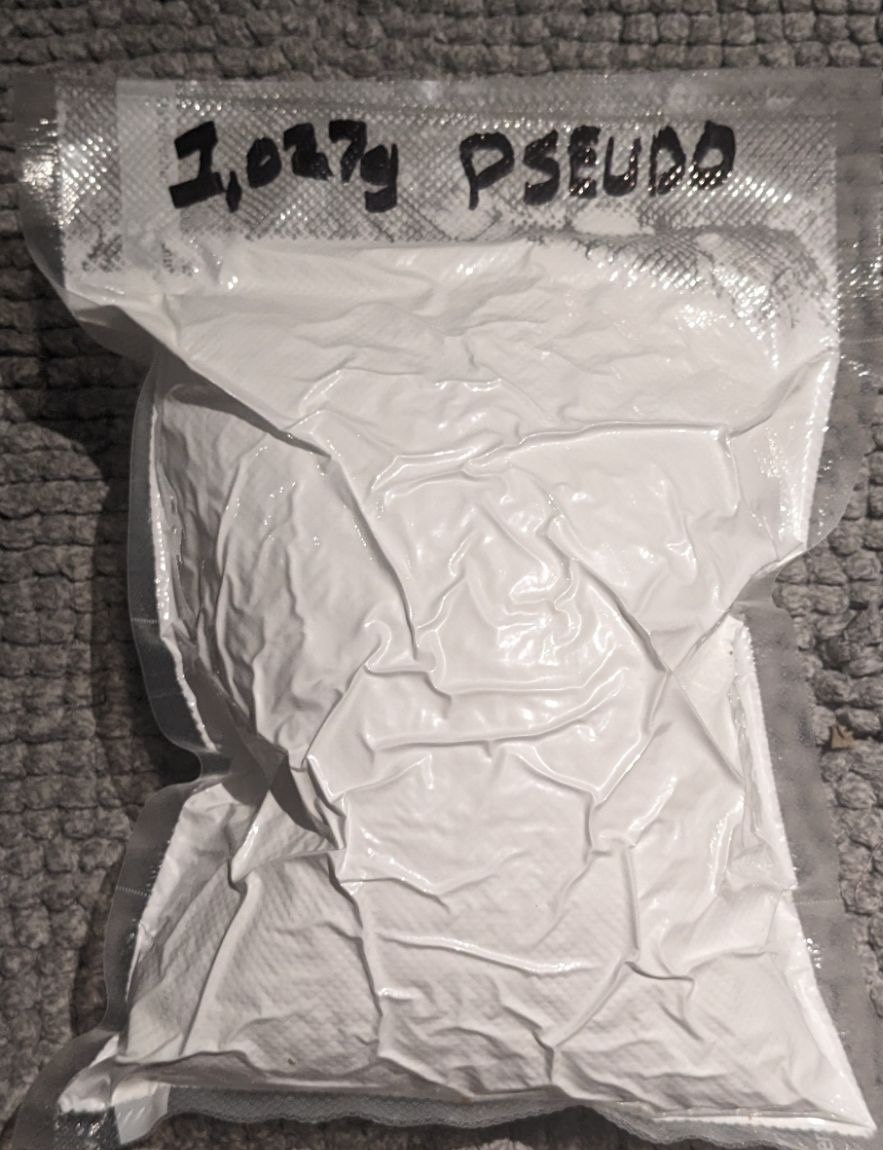
What Is Pseudoephedrine HCl Powder?
Pseudoephedrine hydrochloride (HCl) powder is the salt form of pseudoephedrine, a synthetic sympathomimetic compound widely known for its use as a nasal decongestant in over-the-counter and prescription medications.
Unlike experimental research compounds, pseudoephedrine has approved medical applications when formulated into regulated pharmaceutical products. However, the raw powder form is primarily associated with industrial, pharmaceutical manufacturing, or laboratory contexts, rather than direct consumer use.
Chemical and Structural Overview
Pseudoephedrine is a phenethylamine derivative structurally related to ephedrine. It exists as two stereoisomers, with pseudoephedrine being the less centrally stimulating of the pair.
Key characteristics include:
- Small-molecule synthetic compound
- Water-soluble hydrochloride salt form
- Structurally related to endogenous catecholamines
- Capable of peripheral adrenergic activity
Its chemical structure allows it to influence blood vessels without crossing the blood–brain barrier as strongly as some related stimulants.
How Pseudoephedrine HCl Works
Pseudoephedrine primarily acts as an indirect sympathomimetic agent. It stimulates the release of norepinephrine and mildly activates adrenergic receptors.
Main physiological effects:
- Vasoconstriction of blood vessels in nasal mucosa
- Reduced swelling and mucus production
- Improved airflow through nasal passages
This mechanism explains its effectiveness in relieving:
- Nasal congestion
- Sinus pressure
- Eustachian tube blockage
Therapeutic Applications (In Regulated Formulations)
When formulated and dosed correctly in approved medications, pseudoephedrine is used for:
- Common cold and influenza symptoms
- Allergic rhinitis
- Sinusitis-related congestion
- Pressure relief associated with air travel
Its clinical utility is well established, but only within controlled dosage forms such as tablets or liquids.
Why Pseudoephedrine HCl Powder Is Restricted
Although pseudoephedrine itself is a legitimate medication, the powder form is tightly regulated in many countries.
Key reasons include:
1. Potential for Chemical Diversion
Pseudoephedrine can be chemically altered into illicit stimulant substances, which has led to strict monitoring and regulation.
2. Safety and Dosing Concerns
Raw powder allows no built-in safeguards against:
- Improper dosing
- Accidental overdose
- Misuse outside medical supervision
3. Regulatory Control
Most jurisdictions restrict bulk pseudoephedrine to:
- Licensed pharmaceutical manufacturers
- Authorized laboratories
- Registered chemical suppliers
Safety and Health Considerations
Pseudoephedrine has a well-documented side-effect profile in humans.
Potential adverse effects include:
- Elevated blood pressure
- Increased heart rate
- Nervousness or anxiety
- Insomnia
- Urinary retention
Individuals with cardiovascular disease, hypertension, thyroid disorders, or anxiety conditions may be at higher risk of adverse reactions.
Legal and Regulatory Context
Due to its dual role as both a medicine precursor and a regulated chemical, pseudoephedrine is subject to:
- Sales tracking
- Quantity limits
- Identification requirements
- Licensing for bulk possession
Regulatory frameworks vary by country but generally classify pseudoephedrine powder as a controlled precursor substance, not a consumer chemical.
Public-Health Perspective
Pseudoephedrine occupies a unique position in public health:
- It remains an effective and valuable decongestant
- It is associated with broader drug-control policies
- Its regulation reflects efforts to balance medical access with misuse prevention
Public-health strategies aim to preserve legitimate therapeutic use while limiting chemical diversion.
Frequently Asked Questions (FAQ)
Is pseudoephedrine a stimulant?
It has mild stimulant-like properties but is primarily used for its peripheral vasoconstrictive effects.
Is pseudoephedrine addictive?
It is not considered addictive in the classical sense, but misuse can lead to adverse cardiovascular and psychological effects.
Is pseudoephedrine powder used medically?
No. Medical use occurs only through regulated pharmaceutical products, not raw powder.
Why is pseudoephedrine regulated more than other cold medicines?
Because it can be diverted for illicit chemical synthesis, leading to stricter controls.
Conclusion
Pseudoephedrine HCl powder is a pharmacologically active compound with legitimate medical relevance when used in approved formulations. While its mechanism of action and clinical value are well understood, the raw powder form is restricted to licensed manufacturing and research environments due to safety, dosing, and regulatory concerns.
Clear public education and responsible regulation help ensure that pseudoephedrine continues to serve therapeutic purposes while minimizing public-health risks.