
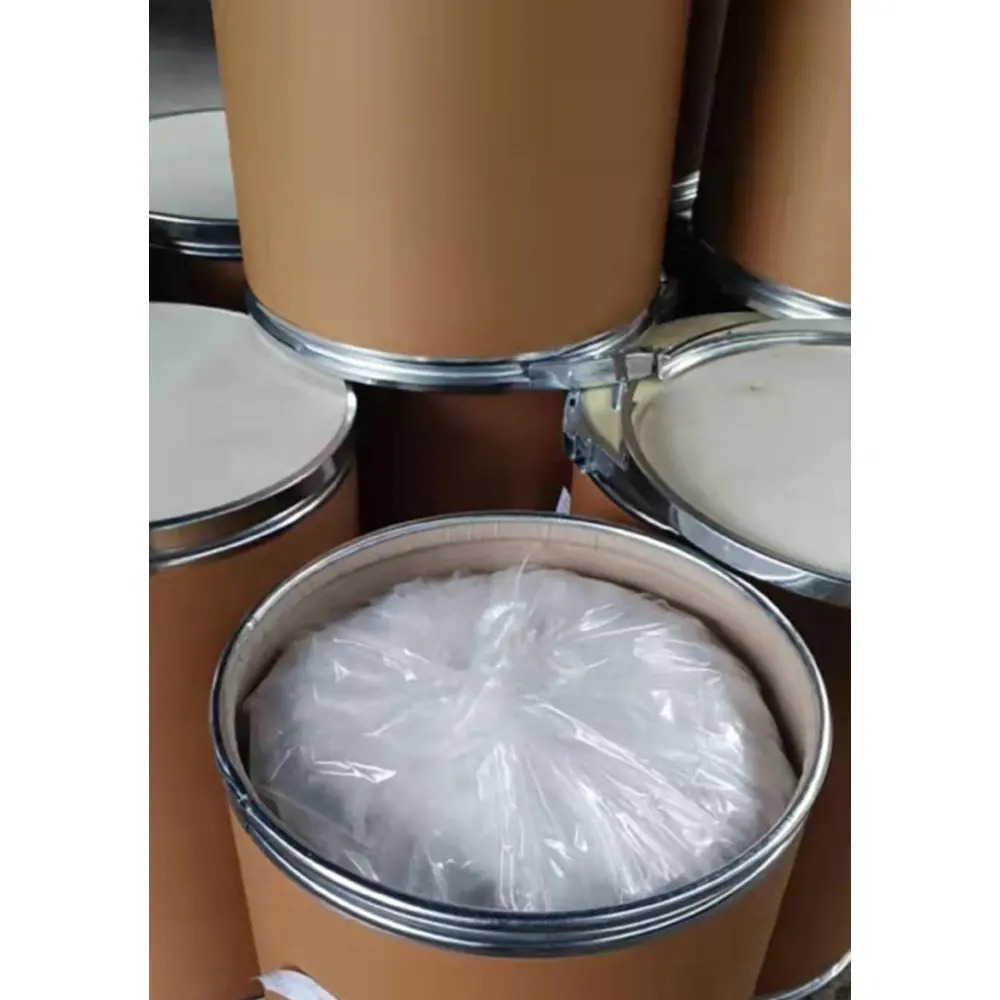
Prilocaine hydrochloride powder, also known as Propitocaine hydrochloride, is a widely used local anesthetic in medical, dental, and cosmetic applications. This compound is valued for its safety, effectiveness, and versatility in numbing pain during minor procedures.
In this guide, we’ll explain what Prilocaine HCl powder is, how it works, where it’s used, and what you should know about safety and regulations.
What Is Prilocaine Hydrochloride Powder?
Prilocaine hydrochloride is the hydrochloride salt form of prilocaine, a local anesthetic belonging to the amino amide class. It’s often found in its fine white crystalline powder form, which can be reconstituted or mixed into topical creams and injectable solutions.
Its CAS Number is 1786-81-8, which helps identify it in chemical databases and regulatory documents.
Prilocaine is commonly used in medical and cosmetic formulations because it provides effective numbing with a lower risk of toxicity compared to some other anesthetics like lidocaine.
How Prilocaine Hydrochloride powder Works
Prilocaine works by blocking sodium channels in nerve cells. This prevents the transmission of pain signals from the site of application to the brain.
The result? Temporary numbness and pain relief in a specific area — without affecting consciousness or overall sensation elsewhere in the body.
Because of its fast onset and moderate duration, prilocaine hydrochloride is especially useful for short medical procedures and topical anesthetic blends.
Common Uses of Prilocaine Hydrochloride
This compound has a wide range of applications in healthcare and cosmetic settings.
1. Medical and Dental Use
Prilocaine is used in local anesthesia during:
- Dental procedures
- Minor surgeries
- Injections and blood draws
It’s sometimes combined with lidocaine to create EMLA cream, a topical anesthetic used before needle insertions or minor dermatological procedures.
2. Cosmetic and Dermatological Procedures
Prilocaine powder is often part of topical anesthetic creams used for:
- Tattooing and permanent makeup
- Laser hair removal
- Micro-needling
- Waxing
3. Pharmaceutical Manufacturing
Pharmaceutical companies use prilocaine hydrochloride powder as a raw material to produce creams, gels, and injectable anesthetic formulations.

Advantages of Prilocaine Hydrochloride
- Fast-acting – Takes effect quickly after application.
- Moderate duration – Provides sufficient numbness without lingering too long.
- Low toxicity – Safer profile compared to some other amide anesthetics.
- Versatile – Can be used in topical or injectable forms.
Safety and Side Effects
While prilocaine hydrochloride is generally safe when used properly, it can cause side effects if overused or administered incorrectly.
Common side effects may include:
- Redness or irritation at the site
- Mild burning or tingling sensation
- Temporary numbness
Serious but rare risks:
- Methemoglobinemia – a condition where oxygen delivery in the blood is reduced. This is rare and dose-dependent.
Always use prilocaine hydrochloride powder under the guidance of trained professionals or medical supervision.
Handling and Storage
- Store in a cool, dry place away from light and moisture.
- Avoid exposure to air and humidity to preserve stability.
- Use proper safety equipment (gloves, mask, etc.) when handling the raw powder.
Legal and Regulatory Information
In most countries, Prilocaine Hydrochloride (CAS 1786-81-8) is a regulated pharmaceutical substance.
Only licensed entities, such as pharmacies or medical manufacturers, are permitted to purchase or handle it in raw form.
Always source it from verified, compliant suppliers who provide Certificates of Analysis (COA) and Material Safety Data Sheets (MSDS).
Key Takeaways
- Chemical name: Prilocaine Hydrochloride (Propitocaine Hydrochloride)
- CAS Number: 1786-81-8
- Category: Local anesthetic (amide type)
- Form: White crystalline powder
- Uses: Medical, dental, cosmetic, and pharmaceutical applications
- Note: For professional use only; not intended for self-application
Final Word
Prilocaine hydrochloride powder is one of the most reliable and widely used local anesthetics worldwide. With its fast action, moderate duration, and good safety profile, it continues to be a preferred choice for both medical and cosmetic professionals.
However, as with all pharmaceutical raw materials, handling and use must comply with professional standards and local regulations.


