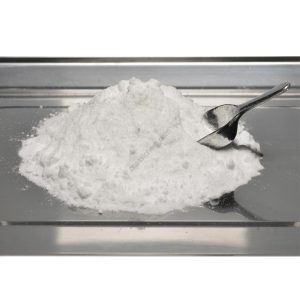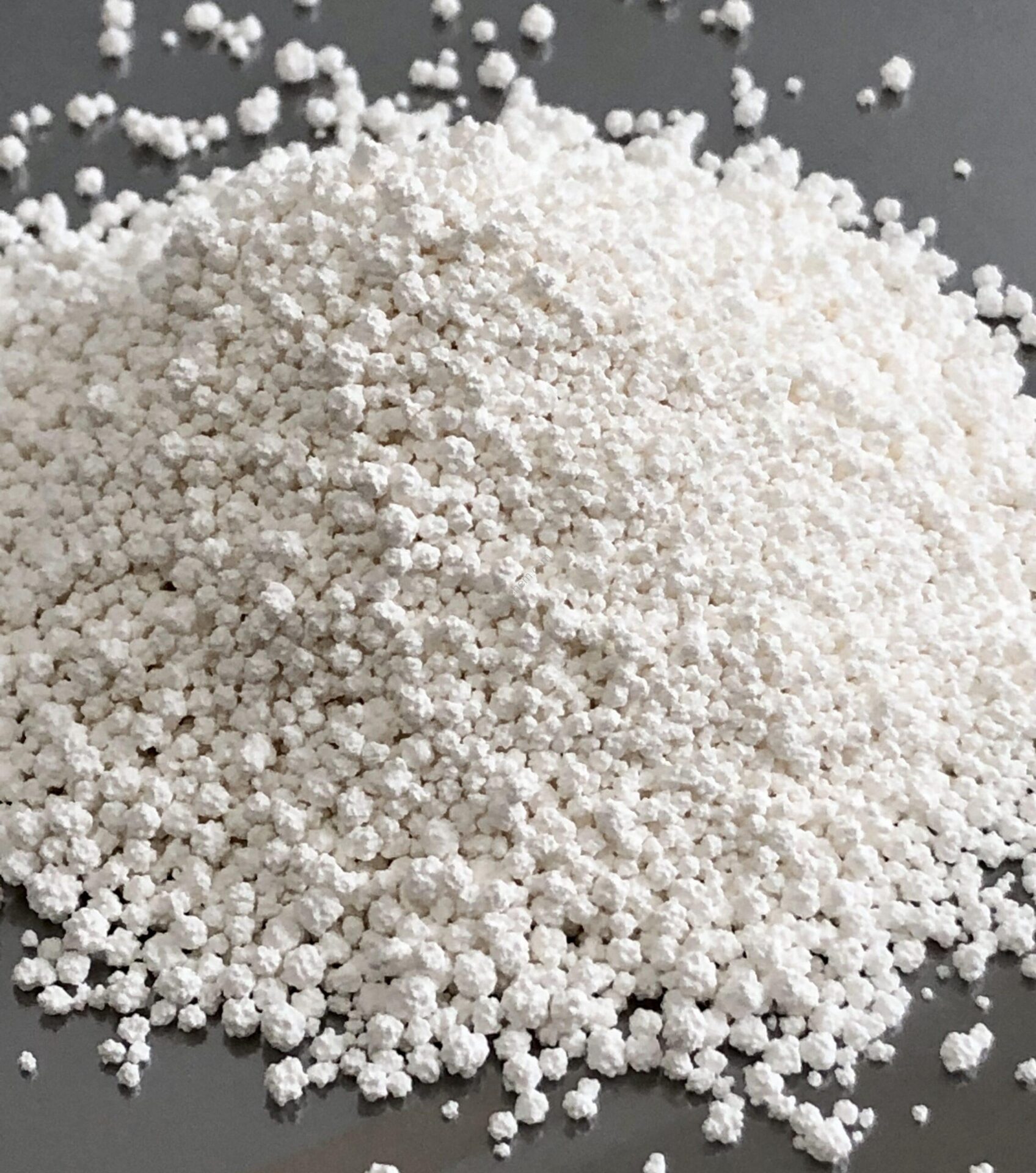
What Is Metonitazene Powder?
Metonitazene powder is a synthetic opioid belonging to the nitazene class of compounds. These substances were first researched in the 1950s as potential painkillers. However, metonitazene has never been approved for medical use anywhere in the world.
In recent years, metonitazene has appeared in illicit drug markets and has been linked to fatal overdoses, often when users were unaware they were exposed to it.
How Metonitazene Powder Works in the Body
Metonitazene acts on the mu-opioid receptors in the brain and spinal cord. These receptors regulate pain, breathing, and feelings of pleasure.
When metonitazene binds to these receptors, it can:
- Strongly suppress pain signals
- Cause intense sedation and euphoria
- Dangerously slow or stop breathing
Because it activates these receptors so powerfully, the effects can occur at extremely small doses.
Why Metonitazene Powder Is So Dangerous
Metonitazene is considered more potent than fentanyl, which already ranks among the strongest opioids used in medicine. Several factors explain this danger:
1. Extreme Potency
Active effects can occur at microgram-level amounts, making accidental overdose very likely.
2. Narrow Safety Margin
The difference between a dose that produces an effect and one that causes respiratory failure is very small.
3. Rapid Onset
Effects can appear quickly, leaving little time to respond during an overdose.
4. Unpredictable Illicit Formulations
Illicit products may contain unknown concentrations or be mixed with other depressants, increasing risk.
Health Risks and Side Effects
Exposure to metonitazene can cause severe and life-threatening effects, including:
- Respiratory depression (slow or stopped breathing)
- Loss of consciousness
- Extreme sedation
- Pinpoint pupils
- Blue or gray lips and fingertips
- Fatal overdose
Many overdoses occur because individuals do not realize metonitazene is present in the substance they consumed.
Metonitazene Powder and Overdose Risk
Metonitazene has been detected in:
- Counterfeit prescription pills
- Illicit opioid mixtures
- Drugs sold as heroin or fentanyl
This hidden exposure greatly increases overdose risk, even among people with opioid tolerance.
Naloxone and Emergency Response
Naloxone (Narcan) can reverse opioid overdoses, including those involving metonitazene. However:
- Multiple doses may be required
- Effects may wear off before the opioid does
- Emergency medical care is still essential
If overdose is suspected, call emergency services immediately.
Legal Status
In many countries, metonitazene is:
- Classified as a Schedule I / prohibited substance, or
- Treated as an illegal opioid analogue
Possession, distribution, or manufacture is typically subject to severe legal penalties.
Public Health Impact
Metonitazene is part of a growing wave of ultra-potent synthetic opioids driving overdose deaths worldwide. Public-health agencies emphasize:
- Education and awareness
- Widespread naloxone availability
- Drug checking and early warning systems
- Access to treatment for opioid use disorder
Understanding substances like metonitazene is critical to reducing preventable deaths.
Frequently Asked Questions (FAQ)
Is metonitazene approved for medical use?
No. It has no approved medical or therapeutic use.
How strong is metonitazene compared to fentanyl?
Toxicology reports suggest it can be as strong as or stronger than fentanyl, depending on formulation.
Can naloxone reverse metonitazene overdose?
Yes, but multiple doses may be needed, and medical help is still required.
Why are nitazene opioids a public-health concern?
Because they are extremely potent, poorly understood by users, and often hidden in illicit drug supplies.
Conclusion
Metonitazene is a highly potent, unapproved synthetic opioid that poses serious and often fatal risks. Its strength, unpredictability, and presence in illicit drugs make it a significant public-health threat.
Education, awareness, and rapid emergency response remain essential tools in preventing harm and saving lives.